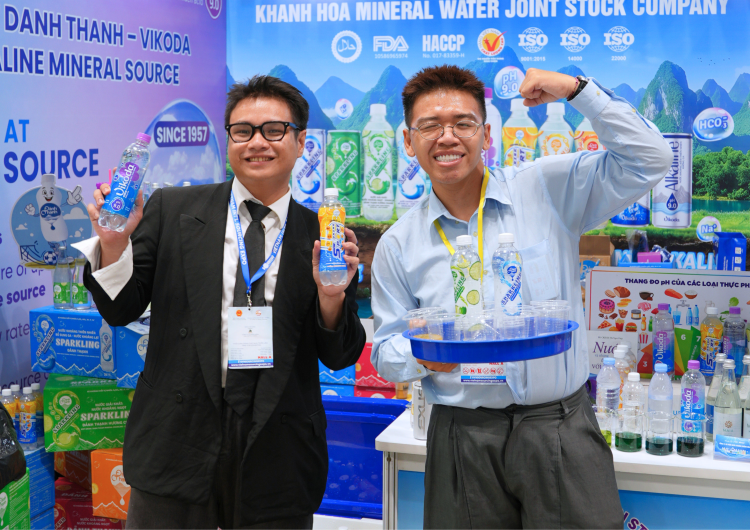
Drawing on the Dang Thach mineral water source, Vikoda is addressing the challenge of harnessing local natural resources, maintaining product quality, and building a sustainable brand.
Preserving the Mineral Water Source for Future Generations
A natural mineral water source can create a distinctive product. However, building a sustainable brand requires businesses to address a more complex challenge: extracting resources within sustainable limits, maintaining consistent quality, and meeting increasingly stringent market standards. The story of the Dang Thach Mineral Water Factory in Khanh Hoa illustrates how the journey of bringing local natural resources to consumers goes far beyond bottling.
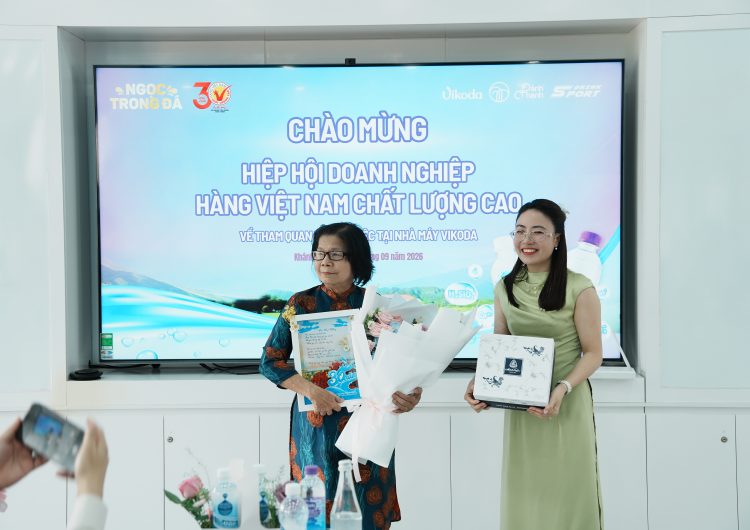
On September 25, the High-Quality Vietnamese Goods Business Association (HVNCLC), in collaboration with Khanh Hoa Mineral Water Joint Stock Company (Vikoda), organized a visit to the Dang Thach Mineral Water Factory. The event was part of a series of Company Tours leading up to the 30th anniversary of the High-Quality Vietnamese Goods Program, a consumer-voted initiative, under the theme “From Local Natural Resources to High-Quality Vietnamese Brands.”
Representatives from businesses, experts, researchers, green startups, lecturers, students, consumers, and the media had the opportunity to explore the mineral water source, extraction processes, production lines, testing laboratories, and Vikoda’s product portfolio. Visiting the very place where the products are made also raised an important question: What enables a natural advantage to become a lasting value that can be sustained across generations?
 |
|
Visiting the Dang Thach mineral water source. |
Founded in 1990, Vikoda has developed its business around the Dang Thach mineral water source in Khanh Hoa. According to company records, the mineral water is extracted from a depth of approximately 220 meters, with a temperature of around 72°C at the wellhead. The source is protected within an area of approximately 35 hectares, and the mineral water is transported through a closed system directly to the factory for production at source.
These figures highlight the distinctive characteristics of Dang Thach while underscoring the company’s responsibility toward a finite natural resource. The mineral water source may be the starting point of the brand, but how it is managed and utilized today will determine whether its value can be preserved for the future.
Ms. Nguyen Thi Nga, General Director of Khanh Hoa Mineral Water Joint Stock Company, said the company regards the Dang Thach natural alkaline mineral water source as a valuable local resource that gives its products their authentic and distinctive qualities. According to her, efficient resource utilization must go hand in hand with long-term conservation.
“The Dang Thach mineral water source is extracted at a maximum rate of 500 cubic meters per day to prevent depletion and ensure its availability for both present and future generations,” Ms. Nga stated. In addition to complying with licensed extraction limits, the company has invested in machinery and production lines to optimize resource utilization while minimizing environmental impacts.
Extraction limits are an important part of the brand’s development strategy. For products that rely directly on natural resources, increasing output cannot be the sole objective. Businesses must also consider long-term resource availability, protect the source area, and create greater value from every unit of natural resources used. Without investment in responsible management and conservation, even the most valuable natural advantages may gradually diminish over time.
Dr. Duong Duc Minh, Deputy Director of the Institute for Economic and Tourism Development Research, views the Dang Thach mineral water source as a valuable asset for both the company and the local community. In his opinion, the value of this natural resource extends beyond the products brought to market to include the ecological environment surrounding the mineral water source.
 |
|
Ms. Nguyen Thi Nga, General Director of Khanh Hoa Mineral Water Joint Stock Company, introduces the Dang Thach mineral water source. |
From this perspective, Dr. Minh suggested the potential for developing experiential tourism activities connected with manufacturing, local landscapes, and cultural heritage. Visitors could learn about product origins, the company’s efforts to preserve natural resources, and the work carried out by factory employees. This is a development direction proposed by the expert and would need to be carefully considered alongside the requirements for protecting the mineral water source.
He also emphasized the social value of creating employment opportunities that allow young people to build their careers in their hometowns.
“Young people do not have to leave their hometowns to find work. They can earn an honest living and take pride in working right here on their own land,” Dr. Minh shared. In his view, retaining a young workforce that understands and values local natural resources is also an important part of sustainable development.
Quality Must Be Proven Every Day
If the mineral water source represents an advantage at the input stage, consumer trust is built through everything that follows: manufacturing, testing, quality assurance, and bringing products to market. Consumers may choose a bottle of mineral water because of its origin, but for them to choose it repeatedly, its quality must remain consistent.
Ms. Vu Kim Hanh, Chairwoman of the High-Quality Vietnamese Goods Business Association and Director of the Business Studies and Assistance Center (BSA), noted that Vietnam possesses abundant local natural resources. The challenge for businesses is to transform these gifts of nature into high-quality products that earn consumer trust and remain competitive in the market.
According to Ms. Hanh, during the first two decades of the High-Quality Vietnamese Goods Program, consumers played the role of direct “judges”: choosing the brands they trusted and were willing to spend money on. As the program enters a new phase, consumer trust remains essential, but businesses must also meet higher requirements in terms of standards, international integration, and green development.
 |
|
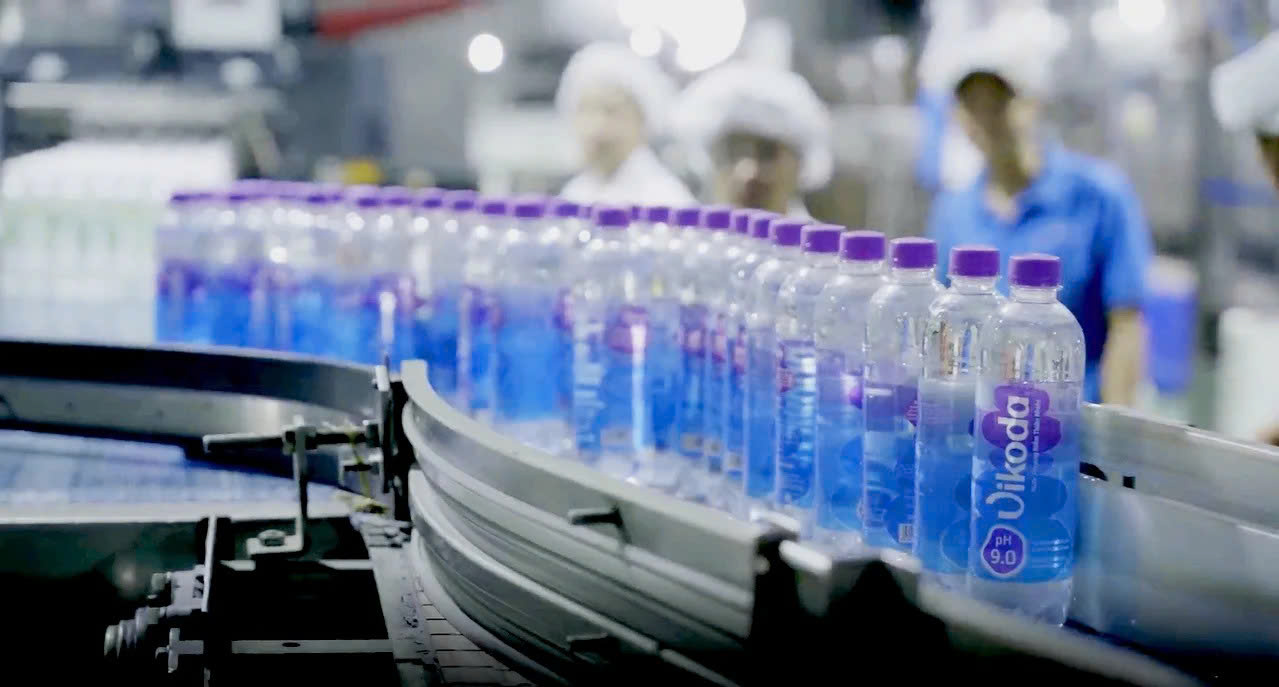
Local natural resources are harnessed and developed into natural mineral water product lines. |
This shift is particularly evident in the food and beverage industry. Quality cannot be demonstrated solely through marketing messages or a single successful inspection. Businesses need robust manufacturing systems, standardized processes, and effective quality control mechanisms to ensure product consistency as their market presence expands. At the same time, they must address energy efficiency, waste treatment, and environmental impact reduction.
Ms. Hanh believes the Dang Thach story illustrates two essential elements that must go hand in hand: unlocking the potential of local natural resources and building manufacturing and quality control capabilities. She noted that Vikoda products gradually reaching markets such as Japan, China, and the United States demonstrates the potential of Vietnamese natural resources when developed into products that meet market requirements.
“Businesses must not only incorporate the finest values of nature into their products but also protect and preserve those natural resources for the future. Only when quality is backed by standards, processes, and comprehensive control systems can products achieve stable, sustainable growth and expand their presence in international markets,” Ms. Hanh emphasized.
 |
|
Vikoda’s natural alkaline mineral water factory is located within a 35-hectare protected area. |
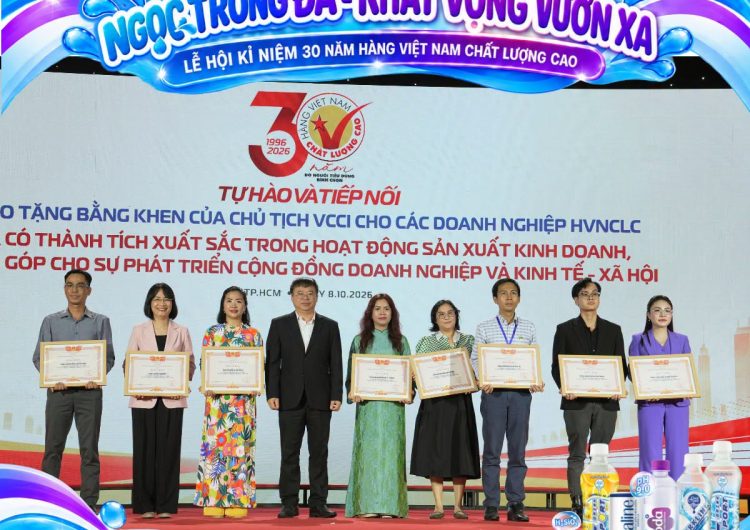
On behalf of the company, Ms. Nguyen Thi Nga stated that Vikoda has received the High-Quality Vietnamese Goods designation, voted by consumers, for 22 consecutive years. She regards this recognition as an acknowledgment of the company’s product quality, as well as a responsibility to uphold the trust it has built over the years. According to her, the factory tour gives the public an opportunity to gain first-hand insights into the mineral water source, manufacturing processes, and the standards adopted by the company.
For the green startups participating in the Company Tour, Vikoda’s story offers a practical lesson. Many localities possess unique raw materials, agricultural products, or natural resources, but having a local advantage does not automatically guarantee a successful market position. Businesses must also address challenges involving technology, quality, extraction limits, brand positioning, and the ability to meet the requirements of different markets.
After 30 years, the High-Quality Vietnamese Goods Program continues to use consumer votes as a measure of trust. Factory visits add another perspective: understanding how businesses create and maintain quality before their products reach retail shelves.
At Dang Thach, the “Gem Within the Rock” is more than just a mineral water source hidden deep beneath the ground. Its true value also lies in the ability to transform natural resources into products that consumers trust, while preserving the source for generations to come.